
What Is a University Student ID Card? 7 Things International Students Can Use It For
Starting university in another country means getting used to a lot of things.
- A new campus.
- A new timetable.
- New classmates.
- New academic systems.
- Somewhere during the first few days you will probably receive something that looks very simple but becomes surprisingly useful: your university student ID card.
At first it may just feel like another card you need to keep in your wallet.
A student ID can be used for much more than simply proving that you are enrolled at a university.
Depending on the university and country your student ID may give you access to campus buildings, libraries, student facilities, transport benefits, events and other services.
However not every student ID works in the same way. What you can use it for depends on your university, location and the type of card you receive.
So if you’re a student preparing to study abroad here’s what you should know.
What Is a University Student ID Card?
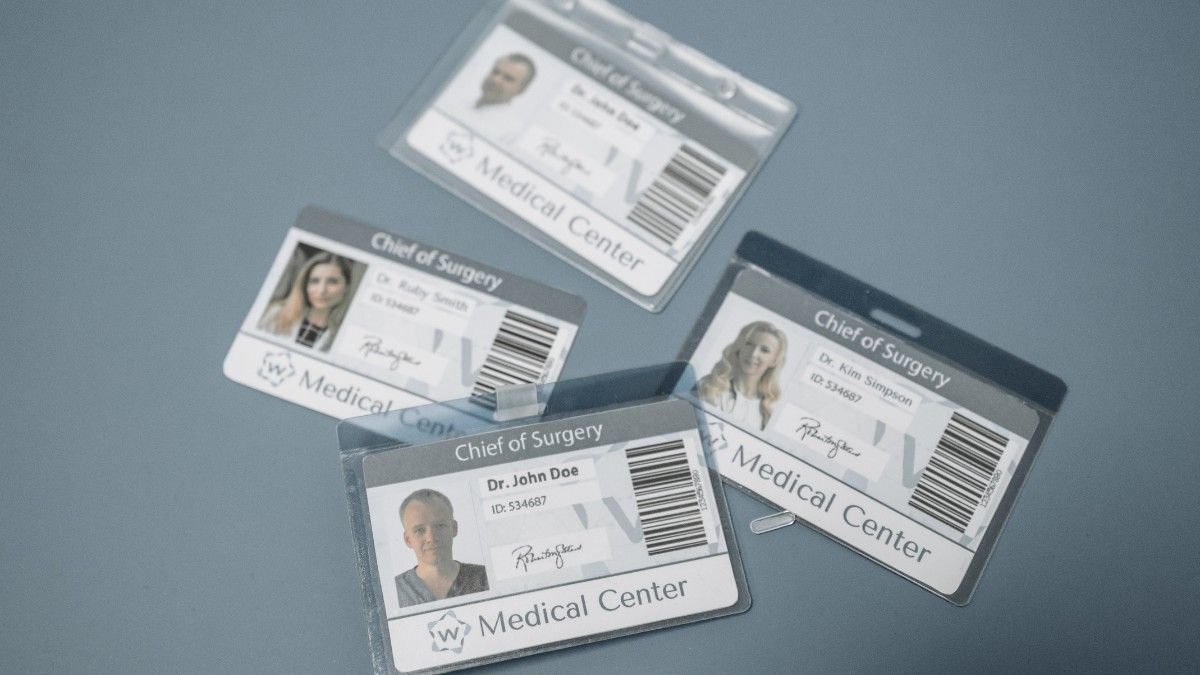
A university student ID card is an identification card issued by your university to confirm that you are an enrolled student.
It usually contains information such as:
- Your name
- Photograph
- Student number
- University name or logo
- Course or programme information
- Validity information
- Some universities provide cards while others may also offer a digital student ID through a university app.
The card may be issued during registration, enrolment or orientation.
The exact process varies between universities.
Some institutions may require you to upload a photograph before arrival while others may take your photograph after you reach campus.
Why Is a Student ID Important for International Students?
When you move abroad for university you may need to prove your student status in situations.
Your student ID provides a way to show that you belong to the university.
For example you may need it when entering campus buildings or using university facilities.
It can also be useful when accessing student- services or benefits.
Remember:
A student ID is not the same as your passport, residence permit or visa.
Your university ID proves your student status. It does not replace immigration or identity documents.
Keep your documents separate and follow your university instructions about which document to use in different situations.
7 Things International Students Can Use Their Student ID For
The exact benefits differ from university to university. These are some of the most common uses.
1. Accessing the University Library
One of the useful things you can do with your student ID is access your university library.
Depending on the university your ID may allow you to:
- Enter the library
- Borrow books
- Access study areas
- Use library facilities
- Access resources
- Use printing or copying services
- Some libraries also use the student ID as a way of identifying students when borrowing materials.
For a student the library can quickly become one of the most important places on campus.
Of buying every textbook or resource yourself you may be able to access many materials through the university library.
Check your university library rules to understand what your ID allows you to do.
2. Entering Campus Buildings
Some universities use student cards as an access system.
You may need to tap or scan your card to enter buildings.
This could include:
- Academic buildings
- Computer labs
- Study areas
- Student centres
- Research facilities
- Accommodation areas
- Not every building will necessarily require an ID card.
- Access may also depend on your course, time of day or student status.
For example a laboratory may only be accessible to students enrolled in a programme.
If your card doesn’t work at an entrance don’t assume that the card is broken. The area may simply have restricted access.
3. Using Student Discounts
Your student ID can sometimes help you access student discounts.
These may be available for:
- Museums
- Cultural attractions
- Events
- Shops
- Software
- Entertainment
- Restaurants or cafe
- However these discounts are not guaranteed everywhere.
Some discounts are provided directly by the university while others are offered by businesses or organisations.
You may also need to show your student ID at the point of purchase.
Before assuming that you receive a discount check the providers student policy.
For students this can be a useful way to explore your new city without spending more than necessary.
4. Accessing University Facilities
Your student ID may also be connected to university facilities.
Depending on your institution these could include:
- Sports centres
- Gym facilities
- Computer rooms
- Printing services
- Student lounges
- Cafeterias
- Study spaces
- Some facilities may require registration or payment even if you have a valid student ID.
For example having a student card doesn’t automatically mean that every university gym service is free.
Check the facility rules before using it.
5. Public Transport Benefits
This is one area where international students should pay attention.
In some cities or regions students may receive public transport benefits through their university or student status.
The system can vary significantly.
You may receive:
- A transport pass
- A discounted travel card
- A transport ticket
- A student travel benefit connected to your university account
- In some cases your university student card itself may function as a transport pass. In cases you may need a separate travel card.
So don’t assume that simply showing your university ID on a bus or train will give you a discount.
Check your university transport information and the transport authority rules.
6. Attending University Events and Student Activities
Universities often organise activities throughout the year.
These can include:
- Orientation events
- Student society activities
- Workshops
- Career events
- Academic talks
- Cultural events
- Sports activities
- Your student ID may be used to confirm that you are eligible to attend events.
Some events may be free for enrolled students while others may have a registration fee.
Your ID can also make it easier for event organisers to confirm your student status.
For students these activities can be a good way to meet people beyond your own classroom.
Even participating in one or two activities related to your interests can help you become more comfortable, with university life.
7. Identifying Yourself as a Student
Sometimes the simplest use of a student ID is also the important.
You may need to show it when dealing with university staff.
For example you may be asked for your student number or ID when:
- Visiting student services
- Speaking with staff
- Using certain university facilities
- Collecting documents
- Accessing student support
- Resolving an administrative issue
Having your student ID with you can make these situations much easier.
Your student number is also often connected to your university accounts and records.
So even if you don’t physically need the card every day it is useful to know where it is.
Can Your Student ID Be Used as Proof of Identity?
It depends on the situation.
A university ID shows that you are a student at that school. It may not be accepted as official identification in all cases.
For example a government office, airline or immigration authority may ask for your passport. Another officially recognised identity document.
So your student ID should not be treated as a substitute for your passport or residence permit.
As a student keep your official documents safe and carry them only when needed.
Don’t ignore it.
If you lose your university ID contact the university department right away.
Depending on the school you might need to:
- Report the card as lost.
- Block the old card.
- Request a replacement.
- Pay a replacement fee.
- Pick up the card.
This is especially important if your student ID is linked to building access, library services or other university systems.
If someone finds your card you don’t want them to use it.
The exact replacement process varies so follow your university’s instructions.
Does a Student ID Expire?
It can.
Some universities issue cards that’re valid for one academic year while others keep the card valid for the entire program.
The expiry date may be printed on the card shown in an app or tied to your student account.
If your card stops working check whether:
- Your enrolment has ended.
- Your student status is active.
- Your card has expired.
Your fees or registration requirements are complete.
The card needs to be updated.
If you’re not sure contact student services.
Physical Student ID vs Digital Student ID
Universities are using digital services and some offer a digital version of your student ID.
A digital ID can be accessed through:
- University mobile apps
- Student portals
- Digital wallet systems
- This depends on the university.
Some institutions accept the version while others still need a physical card.
If your university offers both it’s helpful to have access to both when possible.
A physical card can be useful if your phone battery is low or you don’t have internet.
Should International Students Carry Their Student ID Every Day?
There is no one rule.
If your university uses student cards for building access, library services or other facilities keeping it with you can be convenient.
At the time don’t treat it as your only identification document.
A smart approach is to keep your student ID in your wallet or card holder and follow your university’s advice on carrying identification.
What Should You Do After Receiving Your Student ID?
Once you get your card take a few minutes to check it.
Make sure:
- Your name is correct.
- Your photo is correct.
- Your student number is correct.
- The card is not damaged.
- You know where it can be used.
- You know what to do if it is lost.
- You can also check if your university has a student app and whether the ID is linked to your account.
- It might seem small.
A Simple Example
Imagine an international student arrives at a university in Germany.
During orientation they get their student ID.
On the day they use it to enter the library.
Later they use it to get into a study building and borrow a book.
Over the weekend they find out their university offers student discounts and local transport benefits.
The student ID hasn’t changed.
The student now understands how it connects them to different parts of university life.
That’s the value of the card.
It’s not a piece of plastic.
It’s one of the tools that connects you to your university as a student.
7 Quick Tips for Managing Your Student ID

If you’re studying abroad keep these tips in mind:
1. Keep it safe.
Treat it like an university document.
2. Don’t lend it to someone
Your ID is tied to your student status.
3. Know what it can be used for.
Check your university’s information.
4. Check the expiry date.
Make sure your card stays active.
5. Report it if you lose it.
Don’t wait a days to contact the university.
6. Keep your student number saved in a place.
You might need it without the card.
7. Don’t use it as a replacement for your passport.
Different situations need identification.
Final Thoughts
A university student ID card may seem like a part of your study-abroad journey but you might use it more than you think.
From entering the library and university buildings to attending events and getting student benefits your ID can make everyday life easier.
For students it’s also a simple way to access university services and facilities.
Just remember the exact benefits depend on your university and location.
Your student ID is not a passport, visa or residence permit. It is mainly proof that you’re a student and can give you access to services related to that status.
So when you get your card don’t just put it in your wallet. Forget about it.
Take a few minutes to understand what it does.
That small step can make your few weeks at a European university go a little smoother.
Planning to Study
Preparing for university abroad involves more, than choosing a course and getting an admission offer. Understanding student life can also help you feel more ready before you leave home.
SPAN International helps students explore study- opportunities and understand the different stages of their international education journey.
Ready to explore your study-abroad options? Connect with SPAN International. Start planning your next step.