What Is a Student Visa Biometrics Appointment? What Happens During It?
Applying for a student visa involves several steps, from submitting your university documents to providing evidence that you can afford to study abroad. During this process, you may be asked to attend a biometrics appointment.
If this is your first time applying for a visa, you might wonder what happens during the appointment, whether it is painful, or if you need to answer questions from a visa officer.
The good news is that a biometrics appointment is usually a straightforward administrative process. Understanding what to expect can help you prepare your documents, arrive on time and avoid unnecessary stress.
In this guide, we explain what a student visa biometrics appointment means, why it is required, which documents you may need and what happens after the appointment.
What Is a Student Visa Biometrics Appointment?
A student visa biometrics appointment is a scheduled visit during which an authorised visa centre or relevant authority collects biometric information from an applicant.
Biometrics refers to physical characteristics that can help establish or verify a person’s identity. Depending on the destination country and visa application process, this may include fingerprints and a photograph.
The information collected is processed according to the country’s immigration and identity-verification procedures.
For example, a student applying to study in another country may be asked to provide fingerprints and a photograph as part of the visa application process. The appointment may take place at a visa application centre, embassy, consulate or another authorised location.
However, the procedure is not identical everywhere. Some applicants may be exempt from certain biometric requirements, while others may need to follow additional steps. Always check the instructions provided for your specific visa category.
Why Is Biometrics Required for a Student Visa?
Biometrics helps immigration authorities verify an applicant’s identity and process visa applications securely.
There are several reasons why a country may collect biometric information.
Identity verification: Fingerprints and photographs may help confirm that the person attending the appointment is the applicant named in the application.
Immigration record checks: Depending on the country’s system, biometric information may be used to compare records and support identity checks.
Application processing: Some immigration systems use biometrics as a required step before a visa application can be processed further.
Security procedures: Biometric checks can form part of a country’s wider immigration and identity-verification measures.
It is important to remember that providing biometrics does not mean your visa has been approved. It is one step in the application process, and the final decision depends on the relevant visa requirements.
What Happens During a Student Visa Biometrics Appointment?
Knowing what happens during the appointment can make the experience feel much less intimidating. Although the exact process varies by country and visa centre, the following steps are common in many application systems.
1. Arriving at the Visa Application Centre
Your appointment confirmation will usually tell you where to go and when to arrive. Try to reach the centre with enough time to complete the entry and registration procedures.
At the entrance, staff may check your appointment confirmation and identification before allowing you to proceed.
Some centres have security rules about mobile phones, bags, electronic devices or other personal belongings. Read the instructions provided before your appointment so you know what you can bring inside.
2. Document Verification
Staff may ask you to present your passport, appointment confirmation and other documents specified in your instructions.
They may check your personal details and application reference to ensure that your appointment is linked to the correct application.
The documents required depend on the country and application centre. In some cases, you may need to provide an application form or a document confirming that you have completed the online visa application.
Keep your documents organised in a folder so you can find them easily when requested.
3. Fingerprint Collection
If fingerprints are required, staff will guide you through the collection process.
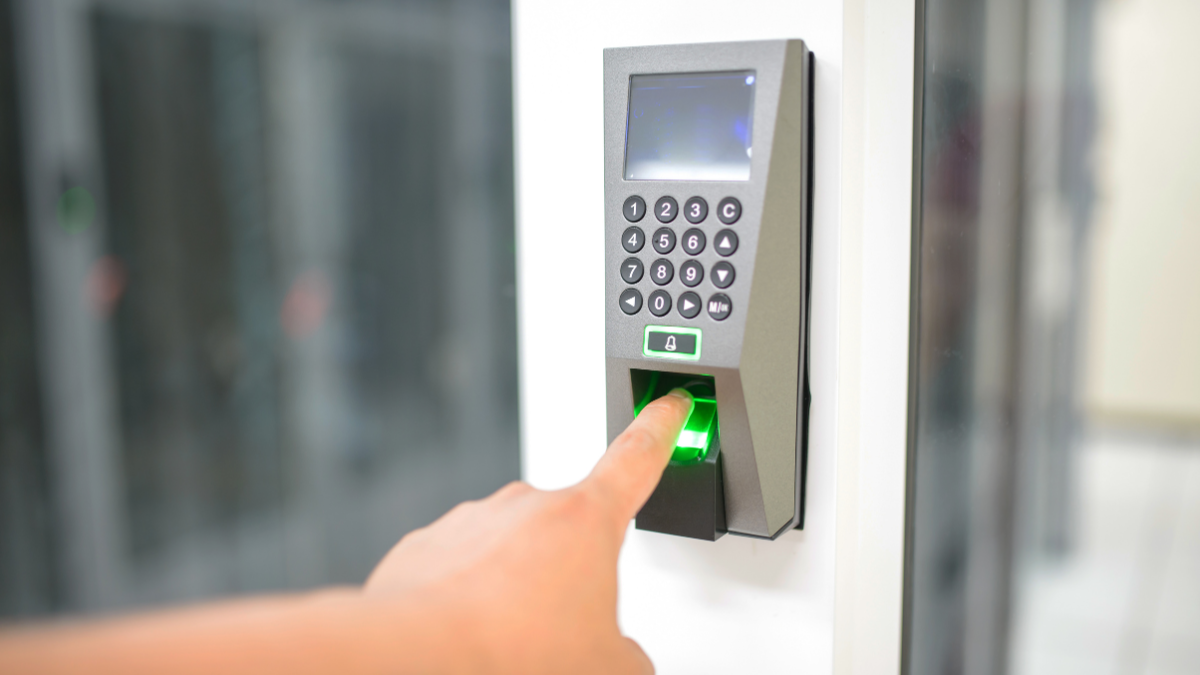
You may be asked to place your fingers on a digital fingerprint scanner. The staff member will explain how to position your hands and fingers correctly.
The scanner records the required fingerprint information electronically. If the system cannot capture a clear reading, you may be asked to try again.
The process is generally quick and non-invasive. It does not involve needles or cutting the skin.
If you have a temporary injury, cuts or other issues affecting your fingertips, inform the staff member. They can explain what to do according to the applicable procedure.
4. Photograph Collection
You may also need to have your photograph taken at the centre. This photograph can be used for identification and visa processing.
Staff will explain where to stand or sit and how to position your face. Depending on the procedure, you may be asked to remove items that obstruct your face.
If a photograph is taken at the centre, follow the instructions given by staff. If your visa process requires you to upload a photograph separately, make sure it meets the official specifications.
5. Confirmation of Completion
Once the required steps have been completed, staff may provide a receipt, confirmation or other instructions.
Keep any receipt and reference number safely, as you may need them to track your application or contact the relevant centre.
Remember that completing biometrics does not automatically mean your visa application has been approved. The immigration authority may still need to review your documents and assess whether you meet the visa requirements.
Which Documents Should You Carry?
The exact document checklist depends on the country, visa category and application centre. Before leaving home, review your appointment confirmation and official instructions.
Documents commonly requested may include:
- Valid passport: Make sure you bring the passport specified in your application instructions.
- Appointment confirmation: Carry a printed or accessible digital copy, depending on the centre’s requirements.
- Visa application confirmation: Some centres require proof that you have submitted your online application.
- Supporting documents: Carry any documents specifically requested in your appointment instructions.
- Payment receipt: Bring proof of payment if it is required or relevant to your appointment.
- Additional identification: Carry this only if the relevant authority asks for it.
Do not assume that every applicant needs all these documents. Your official checklist should be your main reference.
It is also a good idea to keep copies of important application documents separately in case you need to refer to them later.
How Long Does a Biometrics Appointment Take?
The time required depends on the visa centre, the number of applicants, security checks and the steps involved in your particular application.
The actual collection of fingerprints and a photograph may take only a short time. However, registration, document checks and waiting in line can make the overall visit longer.
When planning your day, avoid scheduling another important appointment immediately afterwards. Allow some extra time in case the centre is busy or staff need to repeat a step.
Your appointment confirmation may provide guidance about arrival time and expected procedures.
Is a Student Visa Biometrics Appointment an Interview?
No. A biometrics appointment is not necessarily the same as a visa interview.
During a biometrics appointment, the main purpose is to collect or verify identity information. Staff may ask basic questions to confirm your details or direct you through the process.
A visa interview, on the other hand, may involve questions about your study plans, chosen university, finances and reasons for travelling.
Some countries require an interview as a separate step, while others may follow a different process. In certain cases, an immigration authority can request additional information or an interview after biometrics have been completed.
Check your destination country’s requirements so you understand whether you need to attend one appointment or several.
What Happens After Your Biometrics Appointment?
Once your biometrics have been collected, your application may continue to the next stage of processing.
The next steps depend on the destination country and the type of visa you have applied for. These may include:
- Processing your biometric information.
- Reviewing your application and supporting documents.
- Requesting additional documents or clarification, if necessary.
- Arranging a separate interview, if required.
- Making a decision on your visa application.
You may be able to track your application using an official online tracking service or a reference number provided by the application centre.
Processing times vary. Completing biometrics does not guarantee that a decision will be made immediately, and it does not guarantee approval.
Avoid booking non-refundable travel based only on the completion of your appointment. Wait until you have received the required visa decision and checked the conditions relevant to your travel.
Common Mistakes to Avoid
A few simple precautions can help prevent unnecessary problems on appointment day.
Arriving late: Check the location and plan your journey in advance. Follow the arrival instructions in your appointment confirmation.
Forgetting essential documents: Review your official checklist the day before the appointment and organise everything in one place.
Ignoring centre rules: Check the instructions about mobile phones, bags, security checks and permitted items.
Providing incorrect information: Make sure the details in your application are accurate. If you notice an error, ask the relevant authority how to correct it.
Assuming biometrics means approval: Biometrics is only one part of the visa process. Your application must still meet the applicable requirements.
Relying on unofficial advice: Visa procedures can change. Use the official immigration website and authorised application-centre guidance rather than relying entirely on social media posts or outdated articles.
Frequently Asked Questions
1. Is a student visa biometrics appointment compulsory?
It depends on the destination country, visa category and individual circumstances. Some applicants may need to provide biometrics, while certain exemptions may apply. Check the official requirements for your application.
2. Does a biometrics appointment hurt?
Fingerprint collection using a digital scanner and taking a photograph are generally non-invasive procedures. If you have a hand injury or another condition affecting fingerprint collection, inform the staff member.
3. Should I attend the appointment without an appointment confirmation?
Do not assume that walk-ins are accepted. Many centres require a confirmed appointment. Follow the instructions provided by the relevant visa authority or application centre.
4. Can my student visa be rejected after biometrics?
Yes. Completing biometrics does not guarantee approval. The authority will assess the application against the relevant visa requirements, and a decision may depend on several factors.
5. Can I change my biometrics appointment date?
Rescheduling rules vary by country and application centre. Check the official booking system or contact the authorised centre to understand whether you can change your date and whether any fees or restrictions apply.
Final Thoughts
A student visa biometrics appointment is an important step in many study abroad application processes. It usually involves confirming your identity, providing fingerprints where required and having a photograph taken.
The process is generally straightforward when you understand what to expect and arrive with the correct documents.
Before your appointment, read the official instructions carefully, check the location and keep your paperwork organised. Most importantly, remember that biometrics is only one stage of the visa process.
With the right preparation, you can attend your appointment with greater confidence and focus on the next steps towards studying abroad.