eSIM vs Physical SIM for Studying Abroad: Which Is Better for International Students?
Imagine arriving in a new country after a long flight. You need to contact your accommodation provider, check directions to your university, book transport, and let your family know you have arrived safely.
But there is one problem: your mobile network is not working as expected.
Getting a reliable mobile connection is one of the small but important things to arrange when moving abroad. International students usually consider two options: a traditional physical SIM card or an eSIM.
Both can help you stay connected, but they work differently. Understanding the difference can help you choose an option that suits your phone, destination, budget, and everyday needs.
What Is a Physical SIM Card?
A physical SIM card is the small removable chip that you insert into your mobile phone. It connects your device to a mobile network and allows you to use services such as calls, text messages, and mobile data.
When you arrive in your study destination, you may be able to purchase a local SIM card from a mobile network provider or an authorised retailer.
You generally need to insert the SIM into your phone and follow the provider’s activation instructions.
Advantages of a physical SIM:
- Available through many local mobile network providers.
- Easy to move between compatible phones.
- Can provide local calling, texting, and data packages.
- Useful for students whose phones do not support eSIM.
However, you need to handle the physical card, and changing SIMs may require removing your existing one.
What Is an eSIM?
An eSIM is a digital SIM built into a compatible device. Instead of inserting a removable card, you activate a mobile plan digitally, usually by following the provider’s instructions or scanning a QR code.
Depending on your phone and network provider, you may be able to store multiple eSIM profiles and switch between supported plans.
For international students, this can be convenient because you may be able to arrange a data plan before arriving in your destination country.
Advantages of an eSIM:
- No physical SIM card needs to be inserted.
- Some plans can be purchased and activated online.
- Convenient for students who want connectivity soon after arrival.
- May allow you to keep your existing physical SIM active alongside an eSIM, if your device supports it.
However, not every phone supports eSIM, and not every eSIM plan includes local calls or SMS.
What Is the Difference?
| Feature | eSIM | Physical SIM |
|---|---|---|
| Installation | Digital activation | Insert a SIM card |
| Device support | Requires eSIM-compatible phone | Requires compatible SIM slot |
| Availability | Depends on provider and country | Widely available in many markets |
| Changing plans | Usually managed digitally | May require replacing the card |
| Calls and SMS | Depends on the plan | Depends on the plan |
| Phone transfer | May require profile transfer or reactivation | Can often be moved to another compatible phone |
| Convenience | Useful for advance setup | Useful for local purchases and straightforward setup |
Neither option is automatically cheaper or better. The right choice depends on the plan and how you intend to use your phone.
Which Option Is Better for International Students?
1. If You Want Internet Access Immediately
An eSIM may be convenient if you purchase a suitable plan before travelling and activate it according to the provider’s instructions.
This can help you access maps, transport information, and messaging apps when you arrive.
However, confirm when the plan starts, whether activation requires a local network, and whether your destination is covered.
2. If You Need a Local Phone Number
A physical SIM or a local eSIM plan may be suitable if you need a local number for calls, messages, accommodation arrangements, or other services.
Some international travel eSIMs provide data only. They may not offer a local phone number or traditional SMS service.
Read the plan details carefully before purchasing.
3. If You Want to Control Your Mobile Expenses
Compare the total cost rather than choosing based only on the advertised price.
Check the amount of data included, validity period, calls, SMS, roaming coverage, top-up charges, and renewal conditions.
A low-cost plan may not be suitable if it provides limited data or expires quickly.
4. If Your Phone Does Not Support eSIM
A physical SIM is likely to be the simpler option.
Before travelling, check your phone model’s specifications and confirm that it supports the network bands used in your destination. Also make sure your phone is not locked to a network that prevents you from using another provider’s SIM.
Can You Use Both eSIM and Physical SIM Together?
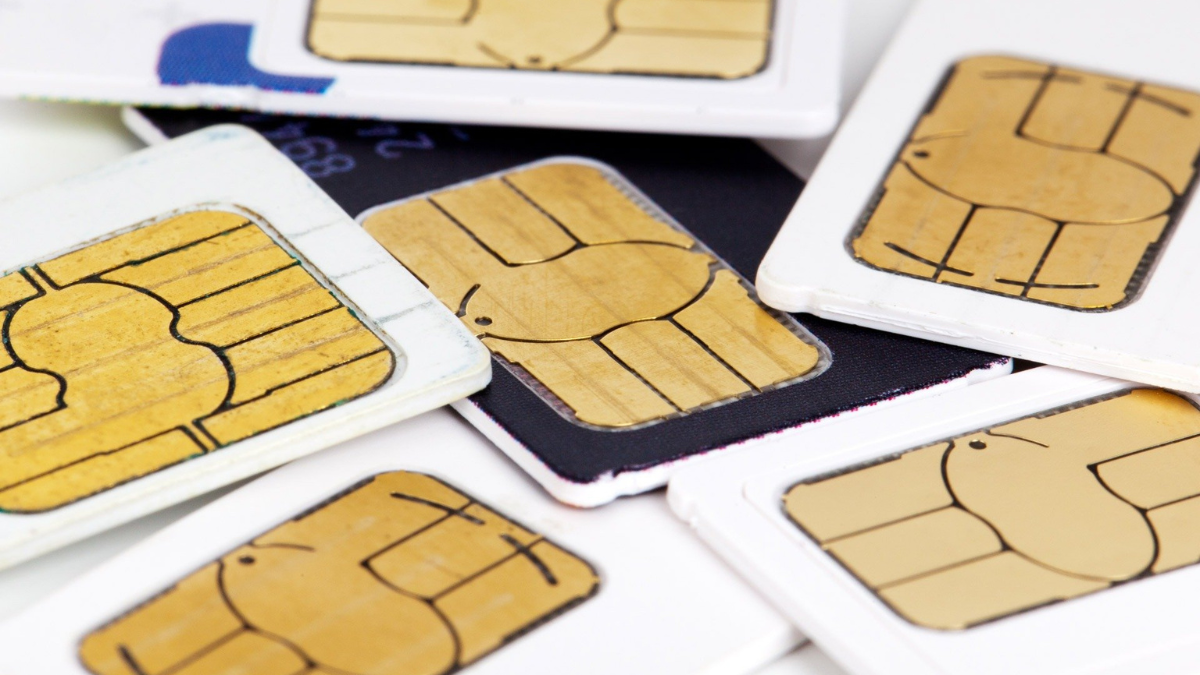
Some smartphones support dual SIM functionality, allowing you to use a physical SIM and an eSIM at the same time.
This can be useful for international students who want to keep their home-country number active while using a local mobile plan abroad.
For example, you may use your original number for important messages and a local plan for everyday data and calls.
However, dual SIM features vary by device. Check which SIM combinations your phone supports and understand which number is selected for calls, messages, and mobile data.
What Should You Check Before Buying a SIM Abroad?
Before purchasing an eSIM or physical SIM, consider the following:
- Phone compatibility: Confirm that your device supports the chosen SIM type and is network-unlocked.
- Network coverage: Check coverage in your university city and accommodation area.
- Data allowance: Estimate how much data you need for navigation, video calls, study platforms, and everyday browsing.
- Validity: Check whether the plan lasts for a few days, a month, or longer.
- Local number: Confirm whether calls and SMS are included if you need them.
- Activation: Understand when and how the plan becomes active.
- Top-ups: Check whether you can recharge the plan easily.
- Customer support: Find out how to contact the provider if activation or connectivity fails.
Do not purchase a plan simply because it is advertised as an international eSIM. Make sure it supports your destination and offers the services you actually need.
Final Thoughts
Both eSIMs and physical SIM cards can be useful when moving abroad for higher education. An eSIM offers digital convenience and may allow you to arrange connectivity before travelling. A physical SIM can be a practical option if you prefer buying a local plan or your phone does not support eSIM.
Before making a decision, check your device compatibility, local network coverage, data requirements, and the actual services included in the plan.
The best option is not necessarily the newest technology. It is the one that keeps you connected reliably without creating unnecessary expenses during your student life abroad.