
Best European Countries for a Master’s in Renewable Energy and Sustainability
Renewable energy is no longer limited to the installation of solar panels and wind turbines.
The energy transition requires professionals who can work across:
- Renewable-energy generation
- Electrical grids
- Energy storage
- Green hydrogen
- Energy efficiency
- Sustainable buildings
- Circular economy
- Climate policy
- Carbon management
- Environmental assessment
- Energy markets
- Sustainable finance
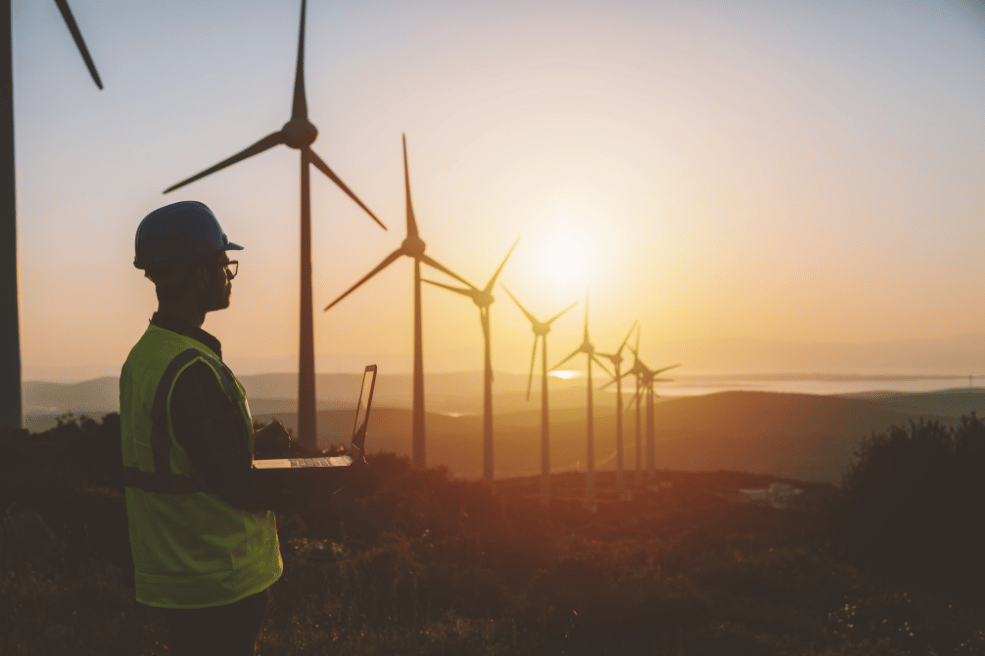
Europe offers Indian students access to universities, research centres and industries actively working on these areas.
However, the best destination depends on what you want to specialise in.
Germany can be a strong choice for engineering, energy systems and industrial decarbonisation. Denmark is particularly attractive for wind energy and offshore systems. Sweden combines sustainable engineering with lifecycle analysis and energy-system transformation.
The Netherlands offers programmes connecting renewable technologies with grids, hydrogen, markets and sustainability transitions. Finland is relevant for advanced energy solutions, bioenergy, smart systems and clean technology. Austria provides relatively affordable options in renewable urban energy, energy management and sustainable construction.
France and Ireland also offer distinctive pathways in energy engineering, climate policy, sustainable business and electrical power systems.
This guide compares the strongest European countries for Indian students planning a master’s in renewable energy or sustainability.
Best Countries at a Glance
The following is a practical comparison rather than an official ranking.
| Country | Particularly Strong For | Common Programme Duration | General Cost Position |
|---|---|---|---|
| Germany | Energy engineering, grids, hydrogen, industrial decarbonisation and energy management | 18–24 months | Low to moderate at many public universities |
| Denmark | Wind energy, offshore systems, energy planning and power systems | 2 years | High |
| Sweden | Sustainable energy systems, lifecycle assessment, smart cities and electrification | 2 years | High |
| Netherlands | Renewable integration, hydrogen, offshore energy, environmental systems and sustainability transitions | 1–2 years | High |
| Finland | Clean technology, bioenergy, energy conversion, smart systems and sustainable innovation | 2 years | Moderate to high |
| Austria | Renewable urban systems, energy management, sustainable buildings and Central European energy policy | 2 years | Strong public-university value |
| France | Energy-transition engineering, climate science, sustainable construction and environmental policy | 1–2 years | Low at some public institutions; higher at Grandes Écoles |
| Ireland | Sustainable electrical energy, wind integration, energy management and climate-focused business | Frequently 1 year | High |
Which Country Best Matches Your Goal?
| Career or Study Priority | Strong Starting Point |
|---|---|
| Lowest tuition at established public institutions | Germany or Austria |
| Wind and offshore energy | Denmark |
| Sustainable energy-system analysis | Sweden |
| Hydrogen, offshore wind and energy markets | Netherlands |
| Clean technology and smart energy solutions | Finland |
| Renewable energy for cities and buildings | Austria |
| Energy engineering combined with climate policy | France |
| English-speaking study and employment environment | Ireland |
| Longest graduate job-search period among the countries compared | Denmark |
| Industrial energy and manufacturing decarbonisation | Germany |
Renewable Energy vs Sustainability: Which Degree Should You Choose?
The two fields overlap, but they are not identical.
Renewable Energy
Renewable-energy programmes usually focus on technologies and systems such as:
- Solar photovoltaic systems
- Wind turbines
- Hydropower
- Bioenergy
- Geothermal energy
- Green hydrogen
- Batteries
- Power electronics
- Smart grids
- Energy-system modelling
These programmes are often suitable for graduates from:
- Electrical engineering
- Mechanical engineering
- Chemical engineering
- Civil engineering
- Energy engineering
- Physics
- Environmental engineering
Sustainability
Sustainability programmes may cover:
- Climate policy
- Environmental governance
- Circular economy
- Sustainable development
- Resource management
- ESG
- Carbon accounting
- Sustainable cities
- Corporate sustainability
- Social and environmental justice
They can be suitable for students from:
- Engineering
- Environmental science
- Business
- Economics
- Geography
- Public policy
- Social sciences
- Architecture
- Natural sciences
Energy and Sustainability Programmes
Interdisciplinary degrees combine technical and non-technical areas.
A programme may cover:
- Renewable technologies
- Energy economics
- Environmental impact
- Policy
- Project management
- Energy law
- Sustainable finance
- Community transition
These can suit students who want to work between engineering, business and public policy.
What Makes a Country Strong for Renewable-Energy Studies?
A strong destination should offer more than a course with the word “sustainable” in its title.
Students should evaluate six areas.
1. Academic Specialisation
Does the country offer programmes in your intended area?
Examples include:
- Offshore wind
- Solar engineering
- Hydrogen
- Electrical grids
- Energy storage
- Sustainable construction
- Climate policy
- Environmental economics
2. Research and Laboratories
Relevant facilities may include:
- Energy-system laboratories
- Wind tunnels
- Power-electronics laboratories
- Microgrids
- Battery-testing facilities
- Solar research centres
- Hydrogen laboratories
- Building-energy demonstrators
3. Industry Exposure
Look for:
- Industrial internships
- Company-based theses
- Applied research projects
- Guest lecturers
- Energy-sector partnerships
- Plant and project visits
4. Curriculum Balance
A strong curriculum may combine:
- Technology
- Economics
- Regulation
- Environmental impact
- Digitalisation
- Project management
5. Total Cost
The complete budget includes:
- Tuition
- Living expenses
- Health insurance
- Student contributions
- Residence fees
- Flights
- Academic materials
6. Graduate Pathway
Check how long international graduates can remain to search for employment and what conditions apply when moving to a work permit.
1. Germany: Best Overall Value for Energy Engineering
Germany is one of the strongest overall choices for students interested in the technical and industrial dimensions of the energy transition.
Its universities offer English-taught programmes in areas such as:
- Sustainable energy systems
- Renewable-energy engineering
- Electrical grids
- Hydrogen
- Power-to-X
- E-mobility
- Energy storage
- Energy management
- Industrial energy efficiency
German programmes can be particularly suitable for students interested in connecting renewable-energy generation with manufacturing, transportation, buildings and electricity networks.
Why Study Renewable Energy in Germany?
Germany combines:
- Public technical universities
- Universities of Applied Sciences
- Industrial research
- Engineering-focused curricula
- Energy-system modelling
- Practical laboratories
- Opportunities for industrial internships
Several programmes also integrate German-language training, which can improve access to local employment.
Programme Examples
TU Dortmund University
MSc Sustainable Energy Systems
The English-taught programme focuses on the transformation of electrical energy systems towards a climate-neutral and secure future. It covers renewable generation, sector coupling, smart grids, digitalisation and energy-market design.
The programme includes a compulsory 12-week industrial internship worth 14 ECTS and a six-month master’s thesis. The DAAD currently lists no tuition fee for the course, although students must still pay the university’s semester contribution.
TH Köln
MSc Renewable Energy Management
This four-semester English-taught programme combines renewable-energy systems with environmental economics, project management, GIS, statistics and international cooperation.
Its curriculum covers technologies such as:
- Solar energy
- Wind energy
- Bioenergy
- Geothermal energy
- Hydropower
The programme places particular emphasis on applying renewable-energy solutions in tropical and subtropical regions.
OTH Amberg-Weiden
MEng International Energy Engineering
The programme includes energy conversion, renewable generation, storage, distribution, hydrogen, solar, wind, hydropower, bioenergy and sustainable mobility.
Non-EU students currently pay €500 per semester plus a student-union fee. The programme also provides a bridging route for students entering with a 180-ECTS-equivalent bachelor’s degree.
Tuition and Living Costs
Many public German universities charge no general tuition for standard master’s programmes, although semester contributions remain compulsory. Exceptions exist, including certain institutions, continuing-education programmes and fees applicable to non-EU students in specific federal states.
Private universities generally charge substantially higher tuition.
A realistic monthly budget often falls around €900–€1,100 depending on the city, accommodation and lifestyle. Students should verify the exact university fee and financial requirement for their intake.
Post-Study Opportunity
Third-country graduates of German higher-education institutions can apply for a residence permit of up to 18 months to seek qualified employment. During this period, graduates may take other employment while continuing their search for a suitable skilled position.
Importance of German
English may be sufficient for the degree and selected multinational or research roles.
German can significantly improve access to:
- Energy utilities
- Engineering consultancies
- Municipal-energy organisations
- Manufacturing companies
- Construction and building-energy roles
- Small and medium-sized companies
Main Advantages
- Strong engineering education
- Large range of specialisations
- Low-fee public-university options
- Industrial internships
- 18-month graduate job-search period
- Opportunities across energy, mobility and manufacturing
Main Challenges
- Strict subject prerequisites
- APS and academic-verification requirements for Indian applicants
- German is important for many graduate jobs
- Admission can depend on detailed mathematics and engineering credits
Best For
Students targeting:
- Renewable-energy engineer
- Energy-system modeller
- Grid-integration engineer
- Hydrogen-project engineer
- Energy consultant
- Industrial decarbonisation specialist
- Energy-efficiency engineer
2. Denmark: Best for Wind and Offshore Energy
Denmark is one of Europe’s strongest academic destinations for students interested in:
- Wind energy
- Offshore-energy systems
- Electrical power systems
- Energy planning
- Sector coupling
- Sustainable buildings
- Energy economics
The country’s programmes commonly connect technical engineering with system planning, environmental impact and real-world energy challenges.
Programme Examples
Technical University of Denmark
MSc Sustainable Energy Technologies
DTU’s two-year, 120-ECTS programme covers sustainable-energy technologies and provides a technical pathway into the development and integration of cleaner energy systems.
For non-EU/EEA students, tuition is currently listed at €7,500 per term.
Aalborg University
MSc Sustainable Energy Engineering
The programme combines energy engineering with sustainable technology and systems development. Non-EU tuition is currently listed at €7,455 per term.
Students can also specialise in areas such as:
- Offshore energy systems
- Electrical power systems
- High-voltage engineering
- Building-energy design
- Sustainable-energy planning
Aalborg’s offshore specialisation covers wind turbines, offshore systems and related energy technologies, while its electrical-power pathway examines renewable integration, electric vehicles, heat pumps and electrolysers.
Tuition and Living Costs
Non-EU students usually pay tuition, with the exact amount determined by the institution. Government scholarships may be available as full or partial tuition waivers and, in selected cases, living-cost support.
Denmark is a high-cost destination. The official Study in Denmark budget estimates:
- Rent: DKK 3,000–6,500 per month
- Food: DKK 2,000–3,500
- Books and supplies: DKK 400–650
- Personal expenses: approximately DKK 2,000
The final total depends heavily on accommodation and city.
Post-Study Opportunity
Graduates who complete an approved Danish professional bachelor’s, bachelor’s, master’s or PhD programme can receive a job-seeking residence period of up to three years.
The job-seeking permit carries limited work rights unless the graduate obtains a separate unrestricted work permission or changes to a qualifying employment permit.
Main Advantages
- Strong wind and offshore-energy education
- Two-year programmes
- Systems and planning orientation
- Project-based study
- Up to three years for graduate job seeking
- English-friendly academic environment
Main Challenges
- High tuition for non-EU students
- Expensive living costs
- Competitive admissions
- Danish may improve access to smaller companies and public-sector roles
Best For
Students targeting:
- Wind-energy engineer
- Offshore-energy specialist
- Power-systems engineer
- Energy-planning consultant
- Grid-integration engineer
- Sustainable-building engineer
- Energy-policy analyst
3. Sweden: Best for Sustainable Energy Systems and Lifecycle Thinking
Sweden is particularly suitable for students who want to study renewable energy as part of a wider sustainability transition.
Programmes frequently connect:
- Energy technology
- System modelling
- Environmental assessment
- Circular economy
- Smart cities
- Electrification
- Energy policy
- Climate action
Programme Examples
KTH Royal Institute of Technology
MSc Sustainable Energy Engineering
KTH’s two-year, 120-credit English-taught programme covers solar energy, power generation, energy use and the transformation of energy systems.
The curriculum offers pathways in:
- Energy in buildings and cities
- Clean energy-conversion technologies
- Energy-system analysis
It also incorporates circular economy, lifecycle assessment, smart-city energy and climate-policy perspectives.
Chalmers University of Technology
MSc Sustainable Energy Systems
The programme focuses on energy technology and the design of sustainable energy systems.
Students engage with areas such as:
- Energy-system modelling
- Renewable power production
- Sustainable electrical systems
- Fuel cells
- Energy technology projects
Chalmers also offers a specialist MSc in Sustainable Electric Power Engineering and Electromobility for students interested in renewable-power integration and electric transportation.
Tuition and Living Costs
Fee-paying international students commonly face tuition between approximately SEK 80,000 and SEK 295,000 per academic year, depending on the programme and institution.
Sweden also charges a SEK 900 application fee through its central admissions process.
For residence-permit planning in 2026, the Swedish Migration Agency uses a financial-maintenance requirement of at least SEK 10,656 per month. Actual student expenses can be higher, especially in Stockholm and Gothenburg.
Post-Study Opportunity
Students completing bachelor’s or master’s-level higher education in Sweden can apply for a residence permit of up to one year to seek work or explore starting a business.
Main Advantages
- Strong sustainability integration
- Two-year degrees
- Research-intensive technical universities
- Excellent preparation for energy-system analysis
- English-taught academic environment
- Strong thesis and project components
Main Challenges
- High tuition and living costs
- Housing pressure in major cities
- One-year graduate search period
- Swedish can matter for local consulting, government and operational roles
Best For
Students targeting:
- Sustainable-energy engineer
- Energy-system analyst
- Lifecycle-assessment specialist
- Smart-city energy consultant
- Electrification engineer
- Climate-technology researcher
- Circular-economy consultant
4. Netherlands: Best for Energy Transition, Hydrogen and Interdisciplinary Sustainability
The Netherlands is a strong destination for students interested in connecting energy engineering with:
- Energy markets
- Offshore systems
- Hydrogen
- Environmental science
- Energy policy
- Circular economy
- Sustainability transitions
Dutch universities offer both technically intensive engineering degrees and interdisciplinary sustainability programmes.
Programme Examples
Eindhoven University of Technology
MSc Sustainable Energy Technology
The programme covers:
- Solar energy
- Wind energy
- Heat pumps
- Biomass
- Electricity networks
- Energy markets
- Renewable-energy integration
It is suitable for engineering and science graduates interested in understanding both energy technologies and the systems in which they operate.
Hanze University of Applied Sciences
European Master in Renewable Energy
This internationally structured programme is developed in cooperation with the European Renewable Energy Research Centres Agency and partner universities.
It combines renewable-energy education with mobility and specialist study across participating European institutions.
University of Groningen
MSc Energy and Environmental Sciences
This two-year programme combines natural and social sciences and allows students to study areas including:
- Energy conversion
- Circular economy
- Sustainability transitions
- Climate and atmospheric systems
It also includes an external project connected to research, industry, consultancy, government or non-profit organisations.
Tuition and Living Costs
Non-EEA master’s tuition in the Netherlands generally averages between €12,000 and €30,000 per year, depending on the institution and programme.
Living expenses commonly fall around €1,000–€1,500 per month, with housing representing the largest uncertainty. Accommodation should be arranged early because the Netherlands has significant student-housing pressure.
Post-Study Opportunity
Eligible graduates can apply for the Dutch orientation-year residence permit, which is valid for one year.
The permit allows graduates to seek employment, work without a separate employer work permit, undertake internships or establish a business.
Main Advantages
- Interdisciplinary energy programmes
- Strong options in energy transition and environmental systems
- English-friendly academic environment
- Applied and research-university pathways
- One-year orientation permit
- Access to international energy and engineering employers
Main Challenges
- High non-EU tuition
- Severe accommodation competition
- One-year programmes can be intensive
- Dutch can improve access to government, utilities and smaller companies
Best For
Students targeting:
- Energy-transition consultant
- Renewable-energy systems engineer
- Hydrogen-project analyst
- Environmental consultant
- Energy-market analyst
- Sustainability-transition specialist
- Circular-economy professional
5. Finland: Best for Clean Technology and Advanced Energy Solutions
Finland offers strong opportunities in:
- Energy conversion
- Bioenergy
- Smart-energy systems
- Sustainable materials
- Hydrogen
- Clean industrial processes
- Digital energy solutions
- Circular economy
Finnish programmes often connect technical energy education with innovation, research and sustainable business.
Programme Examples
Aalto University
MSc Advanced Energy Solutions
The programme prepares engineers to design sustainable energy systems and address the integration of variable renewable sources such as solar, wind and wave energy.
It incorporates technical modelling, energy engineering and systems-level problem solving.
Nordic Master in Innovative Sustainable Energy Engineering
This double-degree programme involves Nordic university partners and includes advanced education in:
- Renewable and conventional energy
- Biomass
- Wind power
- Built-environment energy
- Sustainable system design
Students study across participating Nordic institutions and receive two master’s qualifications.
SELECT – Environomical Pathways for Sustainable Energy Systems
This international programme combines technical energy-system knowledge with economic and environmental analysis.
Students spend one academic year at each partner institution and complete at least 60 ECTS annually.
Tuition and Living Costs
Non-EU/EEA students in English-taught bachelor’s and master’s programmes generally pay €8,000–€20,000 per year.
Finland’s official study portal recommends budgeting around €900–€1,200 per month for living expenses, although the residence-permit minimum is lower.
Finnish universities may provide merit-based tuition waivers. Finland does not currently operate a general government scholarship covering international bachelor’s or master’s study, so students should verify funding directly with each university.
Post-Study Opportunity
Graduates can apply for a two-year residence permit to seek work or start a business after completing their studies in Finland.
Main Advantages
- Strong clean-technology education
- Two-year graduate permit
- Research and innovation orientation
- University scholarships and tuition waivers
- Programmes combining engineering and sustainability
- English-taught master’s options
Main Challenges
- Tuition applies to non-EU students
- Relatively high living costs
- Finnish or Swedish can improve employment prospects
- Part-time jobs should not be relied upon to finance the degree
Best For
Students targeting:
- Clean-energy engineer
- Energy-conversion specialist
- Bioenergy engineer
- Hydrogen-system specialist
- Clean-technology consultant
- Smart-energy analyst
- Sustainable-process engineer
6. Austria: Best Affordable Option for Urban Energy and Sustainable Buildings
Austria provides a strong combination of:
- Relatively affordable higher education
- Renewable-energy programmes
- Sustainable construction
- Urban energy
- Environmental management
- Central European industry access
Its programmes may be particularly relevant for students interested in integrating renewable technology into cities, buildings and regional energy systems.
Programme Examples
UAS Technikum Wien
MSc Renewable Energy Engineering
This English-taught, four-semester programme focuses on:
- Renewable-energy expansion
- Urban energy integration
- Smart grids
- Energy distribution
- Energy efficiency
- Technical and economic energy planning
The degree carries 120 ECTS. For non-EU/EEA students, tuition is currently €3,000 per semester plus the compulsory ÖH contribution. The English format is currently listed as subject to accreditation by AQ Austria, so applicants should confirm its final accredited status before enrolling.
FH JOANNEUM
Energy Technologies
This English-taught study track combines energy technology with management, sustainability and resource planning.
It is part of the Energy and Transport Management master’s and includes areas such as energy systems, sustainable management and environmental assessment.
FH JOANNEUM
European Green Transformation
This English-taught MSc addresses:
- Energy transition
- Decarbonisation
- Environmental protection
- Sustainable management
- Policy
- Social justice
- European energy markets
It may suit students seeking a broader transition and sustainability pathway rather than a purely technical engineering degree.
Tuition and Living Costs
At Austrian public universities, third-country students holding a Residence Permit–Student generally pay €751.92 per semester, plus the compulsory €25.20 ÖH and accident-insurance contribution.
Universities of Applied Sciences can establish their own tuition rates, so programme-specific fees must be checked separately.
Austria’s official study portal estimates average student living costs at approximately €1,300 per month, including accommodation, food and personal requirements.
Post-Study Opportunity
Eligible third-country graduates can extend their Residence Permit–Student once for 12 months to seek employment or establish a business.
Main Advantages
- Affordable public-university tuition
- Strong focus on cities, buildings and energy management
- Two-year programmes
- Central European location
- Technical and interdisciplinary options
Main Challenges
- English-taught options are fewer than in Germany or the Netherlands
- UAS tuition may be higher than public-university fees
- German can be important for the local job market
- Some new programmes may still be completing accreditation
Best For
Students targeting:
- Urban-energy planner
- Renewable-energy engineer
- Building-energy consultant
- Smart-grid specialist
- Sustainability manager
- Energy-policy consultant
- Environmental project manager
7. France: Best for Engineering, Climate Science and Energy Policy
France offers a diverse combination of:
- Engineering education
- Renewable-energy research
- Sustainable construction
- Climate science
- Environmental economics
- Energy policy
- Smart grids
- Industrial decarbonisation
Students can choose between public universities, engineering schools and Grandes Écoles.
Programme Options
France offers master’s and engineering-level specialisations in:
- Renewable-energy systems
- Energy efficiency
- Climate and earth systems
- Sustainable buildings
- Environmental engineering
- Energy economics
- Smart grids
- Hydrogen
- Ecological transition
Campus France maintains a master’s catalogue containing hundreds of programmes taught in French or English and publishes dedicated guidance for climate, renewable-energy and sustainable-development courses.
Erasmus Mundus RESCO
Renewable Energy Systems and Construction
This two-year European joint master’s includes French partners such as the University of Le Havre Normandy and INSA Rouen Normandy.
The programme focuses on renewable-energy systems and sustainable construction and is designed for graduates from areas such as civil, mechanical and architectural engineering.
EU-CORE
European Master on Control of Renewable Energy Systems
This two-year Erasmus Mundus programme is delivered across France, Croatia and Germany.
Its curriculum includes:
- Wind energy
- Solar systems
- Hydrogen
- Storage
- Smart grids
- Renewable-system control
- Energy law and economics
Students study at École Centrale de Nantes, the University of Zagreb and Brandenburg University of Technology.
Tuition and Living Costs
France subsidises public higher education.
For the 2026–2027 academic year, standard public registration fees are listed at €255 per year for eligible master’s students and €630 for engineering programmes supervised by the Ministry of Higher Education.
Non-EU students may face differentiated fees unless an exemption or institutional waiver applies. Private schools and Grandes Écoles can charge significantly more.
Campus France recommends planning approximately €600–€800 per month as a baseline for food, accommodation and transport, although Paris and private accommodation can require a substantially higher budget.
Scholarships
Indian students may explore:
- France Excellence Charpak
- France Excellence Eiffel
- Institution-specific awards
- Erasmus Mundus scholarships
The France Excellence Eiffel scholarship currently provides master’s recipients with a monthly allowance of €1,200 from January 2026.
Post-Study Opportunity
Eligible non-European graduates of a French master’s-level qualification can apply for a one-year job-search or business-creation residence permit.
The route allows graduates to seek work or establish a business related to their studies.
Main Advantages
- Publicly subsidised education
- Strong engineering-school system
- Climate and energy-transition programmes
- Erasmus Mundus opportunities
- Scholarships for Indian students
- Combination of engineering, policy and environmental science
Main Challenges
- Fee policies vary across institutions
- Private programmes can be expensive
- French is important for many graduate jobs
- Students must verify whether the award is a nationally recognised master’s-level qualification
Best For
Students targeting:
- Renewable-energy project engineer
- Climate-policy analyst
- Smart-grid engineer
- Sustainable-construction consultant
- Environmental engineer
- Energy economist
- Industrial sustainability specialist
8. Ireland: Best English-Speaking Option for Wind and Electrical Energy
Ireland can be a suitable option for students seeking an English-speaking environment and programmes connected to:
- Renewable electricity
- Wind integration
- Power systems
- Energy management
- Sustainable construction
- Environmental policy
- Corporate sustainability
Irish master’s programmes are frequently completed in one year, reducing the total number of months spent on accommodation and living expenses.
Programme Example
Technological University Dublin
MEng Sustainable Electrical Energy Systems
The full-time programme is completed in one year.
Its core themes include:
- Electrical-power-system analysis
- Renewable electrical-energy technologies
- Power electronics
- Distributed generation
- Energy markets
- Renewable integration
The programme was developed in response to industry demand for engineers who understand sustainable electrical systems and their connection to modern power networks.
TU Dublin also offers energy-management pathways covering renewable technologies such as solar, wave, tidal and micro-wind energy, although applicants must carefully check whether the selected course is available full-time to non-EU students.
Tuition and Living Costs
Official Irish guidance places non-EU postgraduate tuition for science and technology programmes broadly between €15,000 and €31,000, depending on the institution and course.
Accommodation, particularly in Dublin, can be expensive and difficult to secure. Students should calculate the complete cost using actual available rent rather than a general national estimate.
Post-Study Opportunity
Graduates with an eligible Irish Level 9 qualification can receive up to 24 months under the Third Level Graduate Programme.
The permission is normally issued in two 12-month stages, subject to the programme’s conditions and overall immigration limits.
Main Advantages
- English-speaking education
- One-year master’s options
- Strong electrical-energy and power-systems pathways
- Up to 24 months under the graduate programme for Level 9 qualifications
- No additional local language required for most employment
Main Challenges
- High tuition
- Serious accommodation pressure
- Smaller employment market than Germany
- One-year courses provide limited time for internships and networking
- Students must verify that the qualification is eligible for the graduate route
Best For
Students targeting:
- Electrical-energy engineer
- Wind-integration engineer
- Power-systems analyst
- Energy manager
- Renewable-energy consultant
- Grid-operations specialist
Overall Country Comparison
| Country | Example Programme | Tuition Position | Indicative Living Cost | Graduate Search Period |
|---|---|---|---|---|
| Germany | TU Dortmund Sustainable Energy Systems | Often low or no tuition at public universities | Around €900–€1,100/month | Up to 18 months |
| Denmark | DTU Sustainable Energy Technologies | Around €7,500 per term at DTU | Roughly DKK 8,000–15,000/month depending on rent and lifestyle | Up to 3 years |
| Sweden | KTH Sustainable Energy Engineering | Commonly SEK 80,000–295,000/year | At least SEK 10,656/month for 2026 permit planning | Up to 1 year |
| Netherlands | Eindhoven Sustainable Energy Technology | Commonly €12,000–€30,000/year for non-EEA master’s | Around €1,000–€1,500/month | 1 year |
| Finland | Aalto Advanced Energy Solutions | €8,000–€20,000/year | Around €900–€1,200/month | 2 years |
| Austria | UAS Technikum Renewable Energy Engineering | Public university generally €751.92/semester; UAS fees vary | Around €1,300/month | 12 months |
| France | Public or engineering-school energy programmes | Publicly subsidised; private fees vary | Roughly €600–€1,200/month by city and housing | 1 year |
| Ireland | TU Dublin Sustainable Electrical Energy Systems | Science and technology generally €15,000–€31,000 | High, especially Dublin | Up to 24 months for Level 9 |
All tuition, residence rules and programme details should be rechecked for the student’s exact intake.
What Should a Strong Renewable-Energy Curriculum Include?
Energy Fundamentals
Students should develop a foundation in:
- Thermodynamics
- Heat transfer
- Fluid mechanics
- Electrical engineering
- Energy conversion
Renewable Technologies
Look for modules covering:
- Solar photovoltaics
- Solar thermal
- Wind energy
- Hydropower
- Bioenergy
- Geothermal energy
Grid Integration
A modern programme should explain:
- Smart grids
- Distributed generation
- Grid stability
- Demand response
- Power electronics
- Sector coupling
Energy Storage
Relevant technologies include:
- Batteries
- Thermal storage
- Pumped storage
- Hydrogen
- Fuel cells
- Power-to-X
Energy-System Modelling
Useful tools include:
- Optimisation
- Simulation
- Forecasting
- Lifecycle assessment
- Scenario analysis
- Geographic information systems
Economics and Policy
Students should understand:
- Energy markets
- Electricity pricing
- Project finance
- Regulation
- Carbon pricing
- Climate policy
Sustainability
A strong interdisciplinary programme may include:
- Circular economy
- Environmental impact assessment
- Sustainable development
- Resource efficiency
- Climate adaptation
- Social transition
Academic Eligibility for Indian Students
European universities may assess:
- Recognition of the Indian university
- Degree duration
- ECTS-equivalent workload
- Subject relevance
- Mathematics
- Thermodynamics
- Electrical engineering
- Physics
- Programming
- Academic grades
- English proficiency
Suitable Bachelor’s Degrees
Technical renewable-energy programmes commonly consider graduates from:
- Electrical engineering
- Mechanical engineering
- Chemical engineering
- Energy engineering
- Environmental engineering
- Civil engineering
- Mechatronics
- Physics
Interdisciplinary sustainability programmes may also consider:
- Environmental science
- Economics
- Business
- Geography
- Public policy
- Architecture
- Social sciences
Subject Prerequisites
Technical courses may require formal bachelor’s-level study in:
- Calculus
- Differential equations
- Thermodynamics
- Fluid mechanics
- Heat transfer
- Electrical circuits
- Control systems
KTH’s Sustainable Energy Engineering programme, for example, requires a relevant engineering or technical-science degree and specific prior preparation, including technical thermodynamics.
Three-Year Indian Degrees
A three-year BSc may qualify for selected sustainability or environmental programmes.
Highly technical renewable-energy engineering courses may prefer or require a four-year engineering degree or substantial subject-specific preparation.
Acceptance is programme-specific and should not be assumed from the degree duration alone.
English Requirements
Common programme requirements may fall around:
- IELTS 6.5
- TOEFL iBT 90
- Equivalent approved qualifications
Some programmes accept medium-of-instruction evidence, while others require a standardised examination.
Renewable-Energy Careers After Graduation
Potential roles include:
- Renewable-energy engineer
- Solar-design engineer
- Wind-energy engineer
- Energy-system modeller
- Power-systems analyst
- Grid-integration engineer
- Energy-storage specialist
- Hydrogen-project engineer
- Sustainability consultant
- Climate-policy analyst
- Energy manager
- Carbon-management specialist
- Environmental consultant
- Lifecycle-assessment specialist
- Sustainable-building consultant
- Energy-market analyst
A master’s normally prepares students for specialist or early-career roles. Senior project and leadership positions generally require additional professional experience.
Which Country Should You Choose?
Choose Germany When:
- You want strong engineering depth
- You need lower public-university tuition
- You are interested in industry, hydrogen or grid systems
- You are willing to learn German
Choose Denmark When:
- You want to specialise in wind or offshore energy
- You prefer project-based learning
- You can manage high tuition and living expenses
- A longer graduate job-search period is important
Choose Sweden When:
- You want energy engineering combined with sustainability
- You are interested in lifecycle analysis, smart cities or electrification
- You prefer a two-year research-oriented degree
Choose the Netherlands When:
- You want energy-transition, hydrogen or environmental-systems programmes
- You value an English-friendly environment
- You can manage high tuition and housing costs
Choose Finland When:
- You want clean technology, bioenergy or advanced energy solutions
- You value research and innovation
- You want a two-year graduate residence pathway
Choose Austria When:
- You want affordable education
- You are interested in urban energy, buildings or energy management
- You are willing to learn German for employment
Choose France When:
- You want engineering combined with climate science or policy
- You are interested in Erasmus Mundus
- You are prepared to learn French
Choose Ireland When:
- You prefer an English-speaking country
- You want a one-year degree
- You are interested in wind integration or electrical energy
- You can manage high tuition and rent
Common Mistakes to Avoid
1. Selecting a Programme Only Because It Says “Sustainability”
Check whether the curriculum is technical, managerial, scientific or policy-focused.
2. Ignoring Mathematics and Engineering Prerequisites
A general environmental degree may not qualify for an advanced electrical-energy programme.
3. Choosing by Country Reputation Alone
The exact curriculum and university matter more than broad national branding.
4. Comparing Only Tuition
Include programme duration, rent, insurance and opportunity cost.
5. Ignoring the Local Language
The degree may be taught in English while the employment market operates partly in German, French, Dutch, Danish, Swedish or Finnish.
6. Assuming Every Programme Includes an Internship
Confirm whether practical experience is compulsory, optional or independently arranged.
7. Depending on Part-Time Work
Part-time income should not be treated as guaranteed funding.
8. Ignoring Accreditation
Verify the institution, programme and final qualification before paying a deposit.
9. Selecting a One-Year Programme Without Considering Career Preparation
A shorter programme leaves less time for:
- Language learning
- Internships
- Networking
- Graduate job applications
10. Focusing Only on Solar or Wind
Modern energy careers increasingly require knowledge of:
- Grids
- Storage
- Markets
- Digitalisation
- Environmental impact
Questions to Ask Before Applying
- Is the programme fully taught in English?
- Is it technical, managerial or policy-oriented?
- Does my bachelor’s degree satisfy the prerequisites?
- How much mathematics and engineering is required?
- Which renewable technologies are covered?
- Does the programme include energy storage and grid integration?
- Is an internship compulsory?
- Can I complete my thesis with a company?
- Which laboratories and research centres are available?
- What roles do recent graduates enter?
- Is the local language important for employment?
- Is tuition fixed for the complete programme?
- What scholarships are available?
- What is the realistic total budget?
- How long can graduates remain to seek employment?
- Is the university and qualification officially recognised?
Recommended Application Timeline
12–15 Months Before the Intake
- Identify your preferred energy specialisation
- Compare countries
- Check academic eligibility
- Review mathematics and engineering prerequisites
- Begin English-test preparation
9–12 Months Before the Intake
- Finalise the university shortlist
- Collect transcripts and syllabi
- Prepare the CV
- Request recommendation letters
- Research scholarships
6–9 Months Before the Intake
- Submit early applications
- Prepare programme-specific motivation letters
- Complete entrance tests or interviews
- Respond to academic-document requests
After Receiving Offers
- Compare curriculum and laboratories
- Review internships and thesis options
- Calculate complete study costs
- Confirm scholarships
- Verify recognition
- Review deposit and refund terms
- Begin the visa or residence process
- Start learning the local language
How SPAN International Helps Renewable-Energy Students
Selecting a European renewable-energy programme requires academic, technical, financial and career analysis.
SPAN International supports eligible students with:
- Academic-profile assessment
- Country and university shortlisting
- Renewable-energy curriculum comparison
- Technical prerequisite evaluation
- Three-year and four-year degree eligibility checks
- ECTS and syllabus analysis
- English-language guidance
- Motivation-letter preparation
- Academic and professional LOR planning
- Scholarship identification
- Tuition and living-cost comparison
- Offer-letter evaluation
- Visa and residence-permit support
- Accommodation guidance
- Pre-departure planning
Our team helps students distinguish between programmes focused on engineering, environmental science, energy management, climate policy and corporate sustainability.
Final Thoughts
There is no single best European country for every renewable-energy student.
The strongest choice depends on your specialisation, academic background and budget.
Choose Germany for engineering, industrial energy, hydrogen and public-university value.
Choose Denmark for wind, offshore energy and energy-system planning.
Choose Sweden for sustainable-energy systems, lifecycle analysis and electrification.
Choose the Netherlands for hydrogen, environmental systems and interdisciplinary energy transition.
Choose Finland for clean technology, advanced energy solutions and a two-year graduate pathway.
Choose Austria for affordable study, urban energy and sustainable buildings.
Choose France for engineering, climate science, policy and Erasmus Mundus opportunities.
Choose Ireland for an English-speaking environment, electrical energy and a potentially longer graduate route for Level 9 qualifications.
Before deciding, compare:
- Academic eligibility
- Curriculum
- Technical specialisation
- Laboratories and research
- Industry exposure
- Tuition and living costs
- Local-language requirements
- Graduate residence options
The best country is not necessarily the one with the most wind turbines, solar farms or ambitious climate targets.
It is the country where the programme, industry, financial plan and your career direction align.
Frequently Asked Questions
Which European country is best for a renewable-energy master’s?
Germany is a strong overall choice because of its engineering programmes, industrial ecosystem, public-university affordability and 18-month graduate job-search route.
Which country is best for wind energy?
Denmark is particularly strong for wind and offshore-energy education. Aalborg University offers dedicated offshore and power-systems specialisations.
Which country is best for solar energy?
Germany, the Netherlands, Sweden, France and Spain all offer relevant programmes. The correct choice depends on whether you want photovoltaic technology, energy-system integration or project management.
Which country is cheapest for renewable-energy study?
Germany and Austria frequently offer the strongest tuition value through public institutions, although living costs remain significant.
Is Denmark expensive for international students?
Yes. Non-EU tuition can exceed €14,000 annually, and official monthly budgets show relatively high rent, food and personal expenses.
Is Germany good for renewable-energy engineering?
Yes. German universities offer programmes in sustainable energy systems, renewable-energy management, hydrogen, power systems, storage and energy efficiency.
Is Sweden good for sustainability?
Yes. Swedish programmes often combine engineering with lifecycle assessment, circular economy, climate policy and sustainable-system design.
Is Finland good for clean energy?
Yes. Aalto University and Nordic joint programmes provide advanced pathways in energy conversion, sustainable systems, bioenergy and clean technology.
Is Austria suitable for renewable-energy study?
Yes. Austria offers programmes in renewable urban energy, energy management, green transformation and sustainable buildings, with relatively affordable public-university tuition.
Is France good for energy-transition studies?
Yes. France offers public-university, engineering-school and Erasmus Mundus programmes covering renewable energy, sustainable construction, climate science and energy policy.
Is Ireland good for renewable energy?
Ireland can be suitable for electrical-energy, wind-integration and energy-management programmes, particularly for students seeking an English-speaking environment.
Can an electrical-engineering graduate apply?
Yes. Electrical engineering is one of the most relevant backgrounds for programmes involving grids, power electronics, storage and renewable integration.
Can a mechanical-engineering graduate apply?
Yes. Mechanical graduates may qualify for programmes involving wind, thermal systems, energy conversion, buildings and hydrogen.
Can a civil-engineering graduate apply?
Yes, particularly for sustainable construction, building-energy, infrastructure and environmental-engineering programmes.
Can a BSc graduate apply?
It depends on the subject. Graduates in physics, environmental science, chemistry or mathematics may qualify for selected technical or interdisciplinary programmes.
Is IELTS compulsory?
Most English-taught programmes require approved evidence of English. IELTS, TOEFL and Cambridge qualifications are commonly accepted, but waiver rules vary.
Is work experience required?
Not for most consecutive engineering master’s programmes. Professional and management-oriented sustainability courses may prefer or require relevant experience.
Is a one-year or two-year programme better?
One-year programmes reduce total living costs and allow faster graduation. Two-year programmes provide more time for specialisation, internships, research, networking and local-language learning.
Do I need the local language?
Not necessarily for an English-taught degree. Local-language skills can significantly improve access to internships and graduate employment.
How long can graduates stay in Denmark after studying?
Eligible graduates of approved Danish higher-education programmes may receive a job-seeking residence period of up to three years.
How long can graduates stay in Finland?
Graduates can apply for a two-year permit to seek work or start a business.
How long can graduates stay in Germany?
Eligible international graduates can stay for up to 18 months to seek qualified employment.
Can SPAN International help shortlist renewable-energy programmes?
Yes. SPAN International supports eligible students with academic evaluation, country selection, programme shortlisting, applications, scholarships, offer comparison, visas and pre-departure planning.