
What Happens During a University Admission Interview?
Next you get an email that invites you to a university admission interview.
Some students feel excited. Others feel worried. What will the interviewer ask?
If you plan to study these concerns are normal. A university admission interview can feel scary at first especially if you have never had one.
Knowing the interview process practising questions and learning how to talk about your goals can make you feel more confident.
Let us see what happens during a university admission interview and how you can get ready for yours.
What Is a University Admission Interview?
A university admission interview is a talk between a student and a university staff member.
Not all universities ask for an interview. Some decide mainly on grades and supporting papers while others use interviews as part of their choice process.
Interviews are more common for some programmes specialised courses and research degrees. How they are run and why they happen can change with each university and subject.
The key point is to know what your chosen programme wants before you prepare your answers.
What Happens During a University Admission Interview?
The exact process depends on the university. Most interviews follow a fairly simple structure.
1.. Greetings
The interview usually begins with an introduction. The interviewer may introduce themselves explain the format and ask you to introduce yourself.
For example:
“My name is [your name]. I recently completed my bachelors degree in [your subject]. I would now like to develop my knowledge through this Masters programme.”
Keep your introduction natural and relevant to the course.
2. Questions About Your Academic Background
The interviewer may ask about your education subjects you enjoyed academic projects or relevant achievements.
If you are applying for a Masters degree be prepared to explain how your bachelors degree connects with the programme you have chosen.
You might be asked:
Which subject interested you the most?
Did you complete any projects?
Think about your journey before the interview. You do not need to memorise every detail.
3. Questions About Your Chosen Course
Universities want to understand why you have selected a programme.
Simply saying that you want an international degree may not explain why the course is right for you.
Research the programme before your interview. Read its course structure, modules, learning outcomes and any special features that interest you.
You may be asked:
- Why did you choose this course?
- Which modules interest you the most?
- How does the programme relate to your studies?
- What do you hope to learn?
- Why is this course suitable for your goals?
Try to connect your answer to something about the programme rather than giving a general response.
4. Questions About Your Future Plans
The interviewer may also want to understand how the course fits into your future.
However you should have an idea of the skills you want to develop and the opportunities you hope to explore after graduation.
Avoid giving answers simply because you think they are what the interviewer wants to hear. Explain your interests and plans.
Common University Admission Interview Questions
Preparing for questions can help you organise your thoughts before the interview.
Here are some questions worth practising.
1. Tell me about yourself.
Give an introduction covering your education relevant experience and academic interests.
2. Why did you choose this university?
Mention features such as the course structure, modules, facilities or learning opportunities that attracted you.
Explain how the programme connects with your education, interests or future plans.
4. Why do you want to study
Discuss the experience you are looking for and how studying in your chosen destination fits your goals.
5. What are your strengths?
Choose one or two strengths and where possible support them with examples from your studies, projects or work experience.
6. What challenges have you faced during your studies?
Describe a challenge explain how you handled it and share what you learned from the experience.
7. Why should we select you?
Focus on your motivation, relevant preparation and willingness to engage with the course. Avoid comparing yourself with other applicants.
8. Do you have any questions for us?
Prepare one or two questions about the course learning opportunities or academic support.
Your interview may include specific questions or follow-up questions based on your application.
How Should You Prepare for a University Admission Interview?
A clear understanding of your application and course is a better starting point.
Research the University. Course
Read the official course page carefully. Understand what you will study how the programme is structured and what makes it relevant to your interests.
Also learn a little about the university itself. This can help you explain why you chose that institution of another.
Review Your Application
Go through the documents you submitted including your CV, Statement of Purpose and academic details.
The interviewer may ask questions based on information you have already provided.
Practise Your Answers
Practise speaking your answers aloud of only reading them silently.
You could ask a friend or family member to conduct an interview. Another option is to record yourself answering a few questions and listen to the recording.
Focus on speaking and staying relevant to the question. You do not need to sound like a speaker.
Prepare Examples From Your Experience
Real examples often make answers more convincing.
Think about a project you completed a challenge you faced a skill you learned or an experience that influenced your interests.
These examples can help you answer questions about your strengths, problem-solving abilities and motivation.
Check the Interview Details
Confirm the date time, time zone, interview format and any instructions provided by the university.
If the interview is online check your internet connection, camera, microphone and meeting link in advance.
If it is in person check the location and travel arrangements so that you can arrive on time.
What Should You. How Should You Behave?
You do not usually need formal clothing for a university admission interview. Choose neat and appropriate clothing that makes you feel comfortable and confident.
During the interview:
- Listen carefully before answering.
- Speak clearly. At a comfortable pace.
- Keep your answers focused on the question.
- Be polite and professional.
- Avoid interrupting the interviewer.
- Ask for clarification if you do not understand a question.
If you are attending an interview choose a quiet place with good lighting and a simple background.
Small preparations like these can help you focus on the conversation than worrying about avoidable problems.
What If You Do Not Know the Answer?
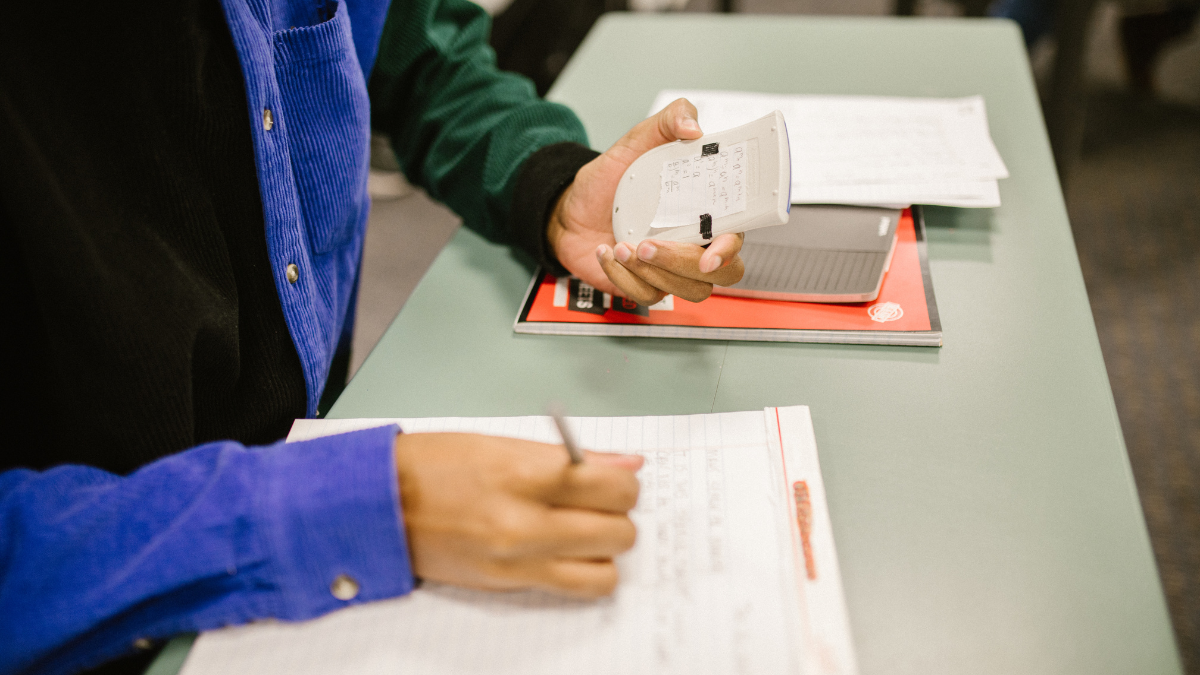
It is natural to worry about questions especially when the interview is related to a subject you want to study.
If you do not know an answer do not. Invent information.
Take a moment to think. If the question is unclear politely ask the interviewer to repeat or explain it.
If you are unsure about a specific question be honest about what you know and explain how you would approach finding the answer.
Universities may use interviews to assess qualities, including your knowledge, reasoning, communication or readiness for the programme. The importance of each quality depends on the course.
Being honest andshowing a willingness to learn is better than pretending to know everything.
Common Mistakes to Avoid During a University Interview
well-prepared students can make simple mistakes when they feel nervous.
Here are some things to avoid:
Memorising every answer word for word: Your answers may sound unnatural. It can become difficult to respond to follow-up questions.
Giving general answers: Explain your reasons with specific details about your course and interests.
Not researching the university: You should know what you are applying for and why it interests you.
Speaking negatively about your college or teachers: Keep your answers professional and focus on what you learned.
Exaggerating your achievements: Be honest about your skills, experience and qualifications.
Ignoring the interview instructions: Check the time format and any documents you need beforehand.
Forgetting to listen: An interview is a conversation, not a speech. Answer the question that was actually asked.
What Happens After the University Admission Interview?
Once the interview ends the university may review your performance along with your records and other application documents.
The next step depends on the institutions admission process.
You may receive an admission decision be asked to provide information or need to wait while the university completes its assessment. Some programmes may involve than one interview or additional selection stages.
Check your email and university application portal after the interview.
If the university provides a decision timeline use it as a guide. If that period passes without an update you can contact the admissions team politely to ask about the status of your application.
Remember that completing an interview does not guarantee admission. The final decision depends on the universitys selection criteria and your overall application.
- University Admission Interview Checklist
- Before your interview make sure you have completed these steps:
- Researched the university and chosen course.
- Reviewed your application and academic background.
- Prepared a self-introduction.
- Practised common interview questions.
- Prepared examples, from your studies or experience.
- Checked the date, time and interview format.
- Tested your equipment if the interview is online.
- Prepared a few questions to ask the interviewer.
- Planned your clothing and travel arrangements if needed.
You do not have to feel completely free of nervousness to perform well. The goal is to be prepared to communicate your thoughts clearly.
Final Thoughts
A university admission interview is an opportunity to explain your interests discuss your background and show why a particular course suits your goals.
It might feel strange at first. Getting ready for typical questions looking up information about the program and rehearsing your responses can help make things simpler.
You don’t need English or a script that you have memorized to have a real conversation. Concentrate on learning about the course being truthful, about your background and sharing why you want to join.
Each college has its way of doing things so always go by the directions given by the school you have picked.